Italian Automotive on Instagram Pairs Micro-Budget Ads with Low-Yield Organic Volume
Benchmarks from 270 ads and 6,299 organic posts show Italian automotive brands on Instagram fragmented across 125 ad accounts with a median spend of 3.54 euros.
Explore our curated findings, playbooks, benchmarks, and comparisons. Everything you need to master brand intelligence.
Original data Sentia extracts from its platform. Quarterly index reports, EMV leaderboards, decay curves, and category snapshots.

Benchmarks from 270 ads and 6,299 organic posts show Italian automotive brands on Instagram fragmented across 125 ad accounts with a median spend of 3.54 euros.

YouTube Shorts is Italy's cheapest inventory at a €0.9444 CPM, and the benchmark value model says the price undershoots what a view is worth.

Organic Instagram generates massive views but near zero interactions. We analyzed 4,627 organic posts and 156 automotive ads to reveal how operators use localized 24 Euro paid campaigns to manufacture the engagement their organic feeds lack.
Step-by-step guides for marketing teams. How to find creators, calibrate metrics, and detect competitor campaigns within 48 hours.
Organic Facebook activity for two Italian fashion brands over 90 days: 39 posts, a median of 7 interactions per post, and gaps in the paid and engagement-rate data.
761 Italian education lead ads on Facebook show a micro-test market: 1.46 euro median spend, 282 ad accounts, and 2,469 median EU reach. What operators should do.

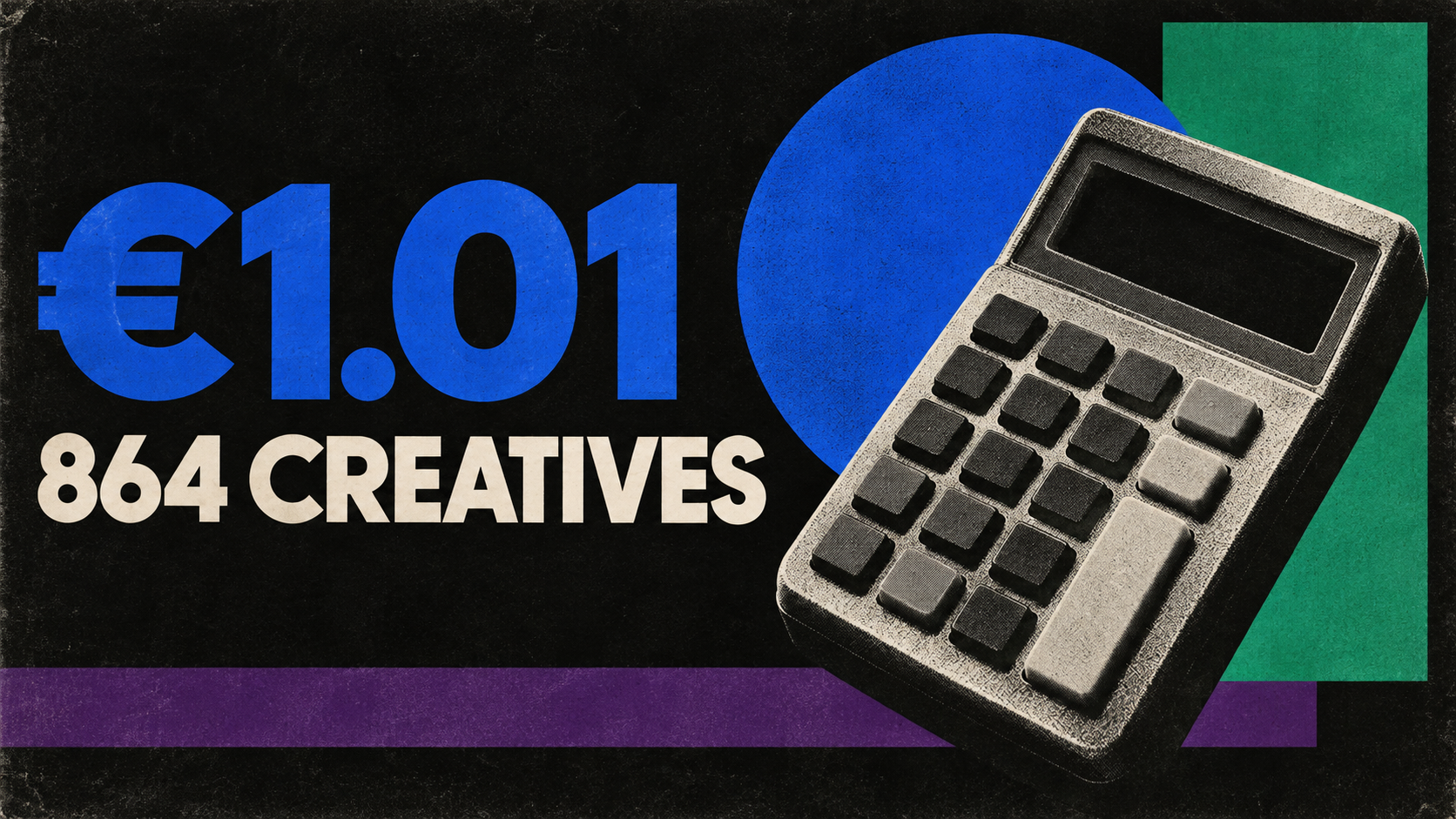
A 90-day benchmark of 864 Italian electronics sales ads on Facebook: median spend of 1.01 euros, 179 ad accounts, and what the spend curve means for testing.
Industry by platform tables, refreshed quarterly. Median engagement rate, p25, p75, and reach distributions.
A portfolio benchmark puts Instagram Reels CPM below Stories and feed carousels in Italy. Use the gap as a test hypothesis, not a budget rule.
First-party portfolio EMV indicators show mixed format-level changes from October to November 2026.
A tracked sample of Italian services brands offers a practical starting point for benchmarking Instagram comments and reactions.
Honest, structured comparisons between Sentia and other brand-intelligence platforms.

Compare Sentia and Meltwater on local market depth. Discover how Sentia's targeted architecture tracks 16 single-location Italian businesses using 37 dedicated monitors to collect 7,849 local reviews.

A factual comparison of how Sentia and Brandwatch handle false positives in media monitoring. We contrast Brandwatch's documented precision benchmarks with Sentia's dynamic in-product filtering workflows.
Mention is an affordable alert tool perfect for solo operators and small PR teams tracking daily brand keywords. Pick Sentia in 2026 if your in-house team needs marketing intelligence with creator attribution, organic-versus-paid split, and calibrated cohort math.
One concept per page. EMV, calibration, share of voice, false-positive rate, and the six Sentia impact scores.

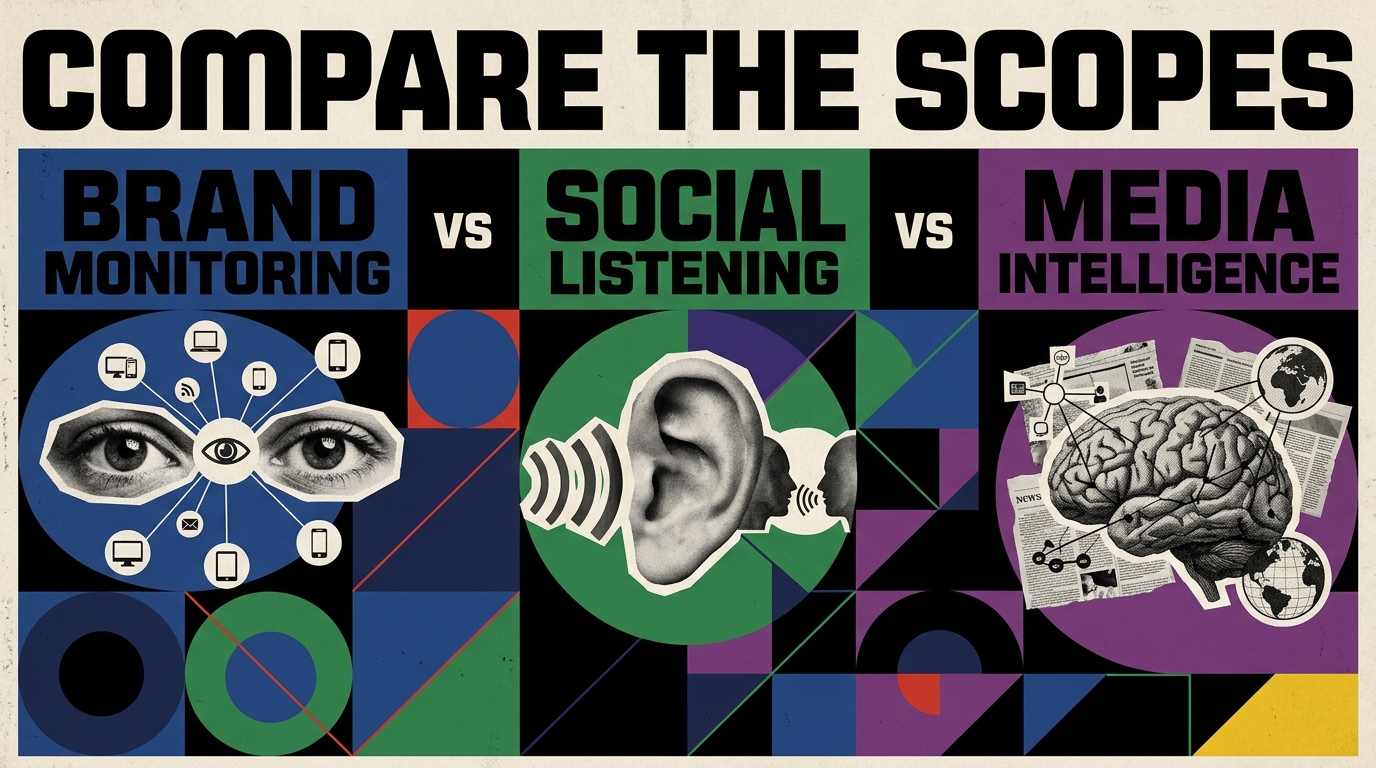
Brand monitoring tracks named-entity mentions of one brand across digital surfaces. Social listening adds topic and conversation tracking on top, capturing discussions that never name the brand. Media intelligence adds traditional press, TV, and ecommerce reviews. The three are nested, not synonyms · social listening is a superset of brand monitoring, and media intelligence is a superset of social listening. Sentia spans all three in one workspace, which is why teams in 2026 stop paying for two separate tools.

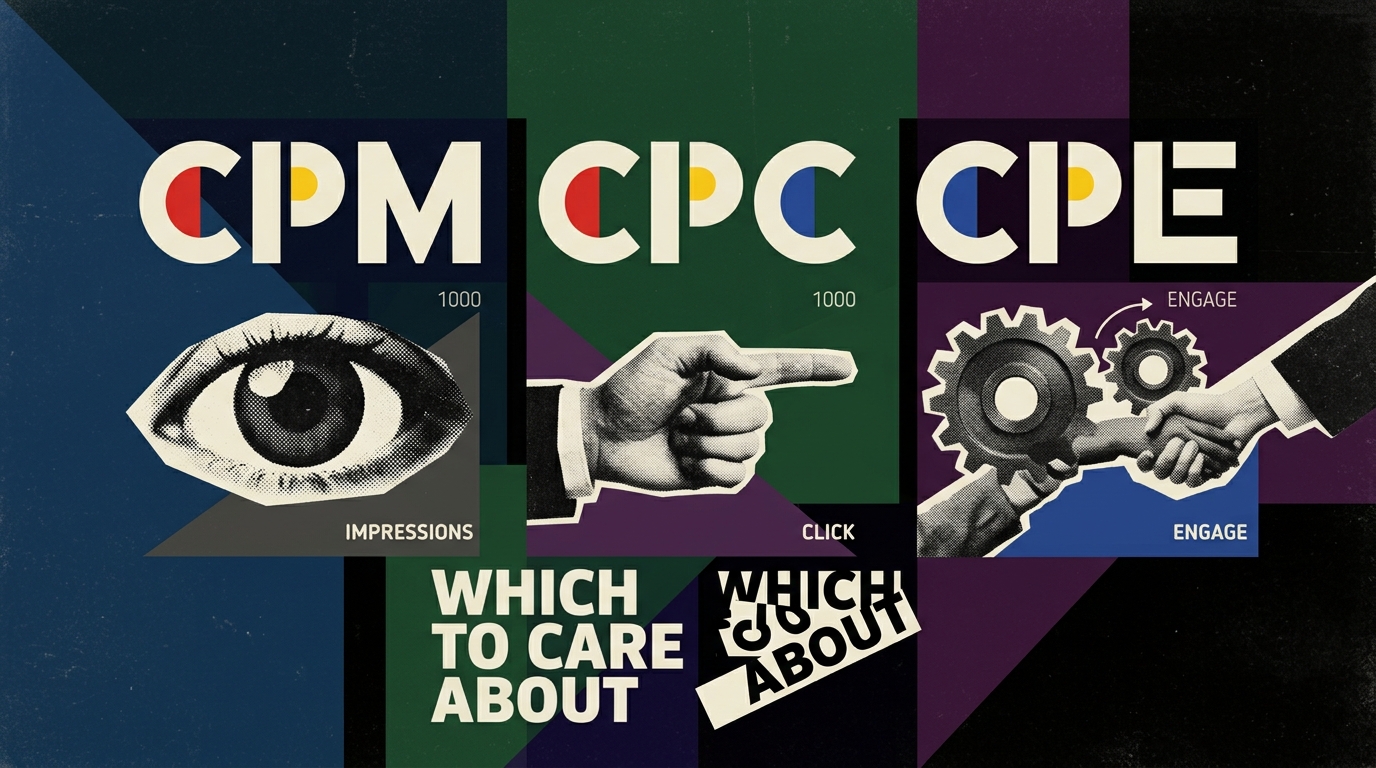
CPM is cost per thousand impressions, CPC is cost per click, and CPE is cost per engagement. CPE is the most defensible of the three for blending paid and organic performance because engagement is the one signal both surfaces produce in comparable units. In 2026, marketing teams that report blended CPE alongside calibrated EMV get cleaner conversations with finance than teams that defend CPM in isolation, because CPE survives the question "what did this actually do".

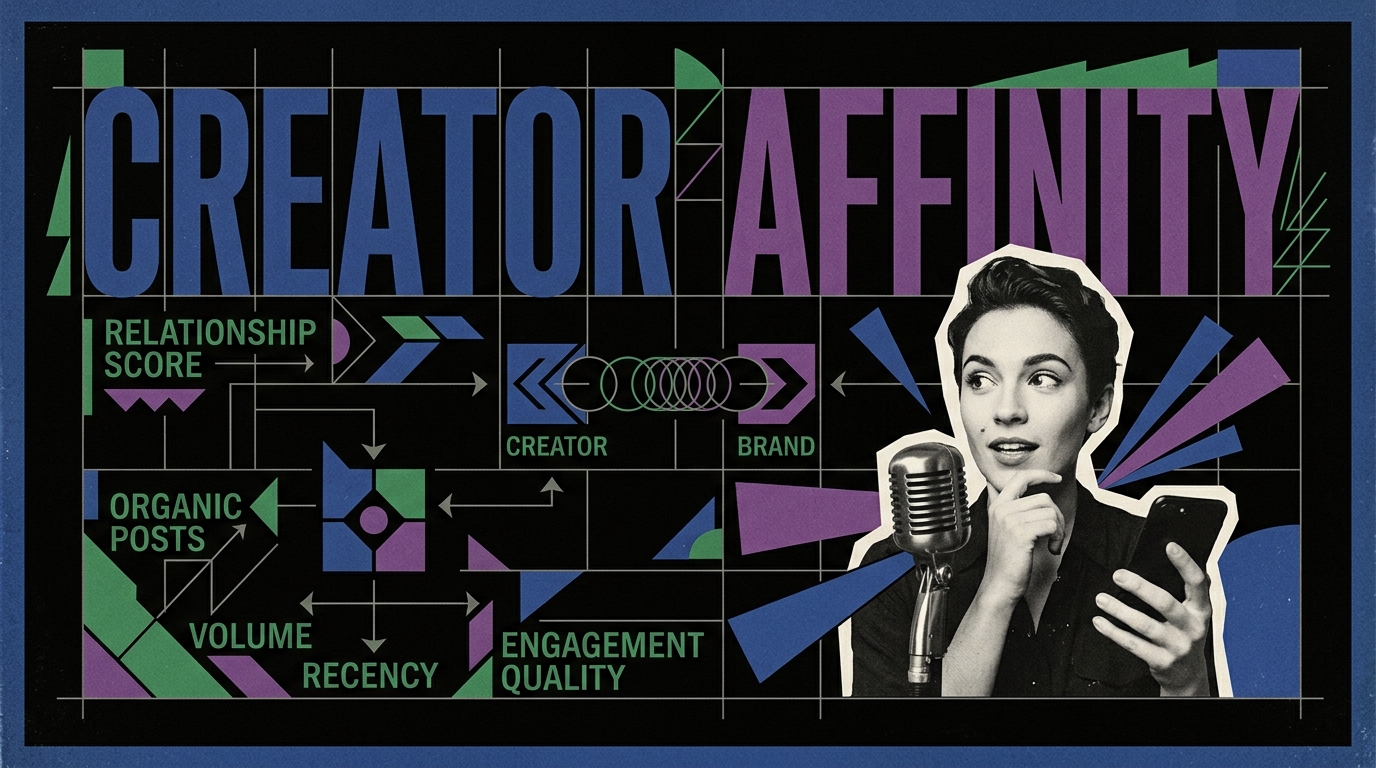
Creator affinity is a creator's organic mention history with a brand or its competitive set, separated from any paid relationship. A creator who tagged a brand 14 times across IG and TikTok in 2026 without ever being paid scores higher affinity than one who posted twice as part of a contracted partnership. The metric matters because creators with prior organic affinity convert from outreach at roughly 2 to 3 times the rate of cold creators sourced by lookalike modelling.